Iceland
Drives on the right · ISK · Emergency 112Driving in Iceland
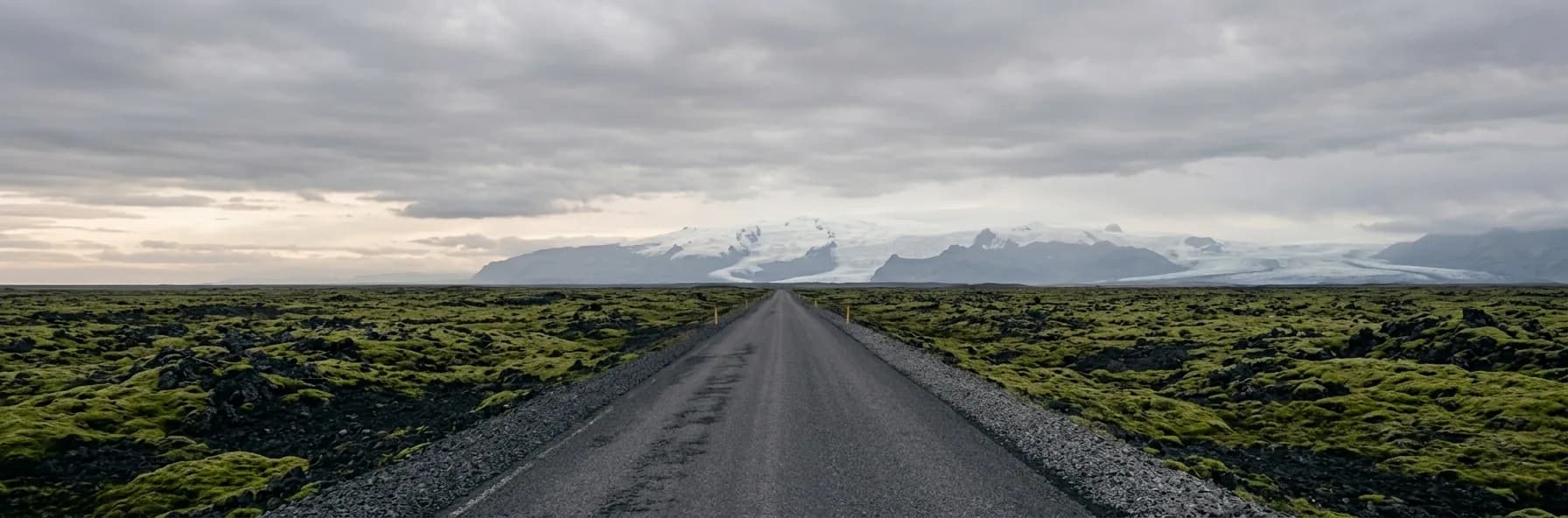
Iceland is not a difficult place to drive so much as an exposed one. Weather and road conditions change quickly, and the gap between a straightforward drive and a genuinely dangerous one can be an hour — so checking official conditions before a longer trip matters more here than almost anywhere else on this site. Two rules catch visitors out specifically. The first is F-roads: the unpaved highland routes require a 4x4, open only in summer, and standard rental agreements usually prohibit them outright. Taking a 2WD hire car onto one typically voids your cover rather than merely risking a fine. The second is the tunnel toll. Almost every road is free, but the Vaðlaheiði tunnel near Akureyri has no barrier and no booth. You pay online within a narrow window — from 24 hours before your trip to 24 hours after — and if you miss it the rental company settles it and rebills you with a service fee on top. Winter tyres are effectively necessary for much of the year, studs permitted seasonally. Headlights are required day and night, year-round, and the alcohol limit is 0.2‰. Iceland sits outside the EU but inside Schengen, and the currency is the króna.
Speed limits
Alcohol limits
Mandatory equipment
- •Warning triangle
Winter tires & snow chains
Winter tires (studded tires permitted seasonally) are effectively required for much of the year given conditions. Driving on unpaved F-roads (mountain/highland routes) generally requires a 4x4 and is only accessible in summer — standard rental cars are often prohibited from F-roads by the rental agreement.
Tolls
Most roads are toll-free; a small number of tunnels (e.g. Vaðlaheiðargöng in the north) charge a toll, usually paid online within a set window rather than at a barrier.
Full tolls guide →More things to know before you drive
Good to know
Not in the EU but in the Schengen area. Currency is the Icelandic króna (ISK). Weather and road conditions can change very quickly — check official conditions before longer drives, especially outside summer.